Trip Report: Pyramid Lake
Sean Wonders - 02/04/26

Land of the Giants
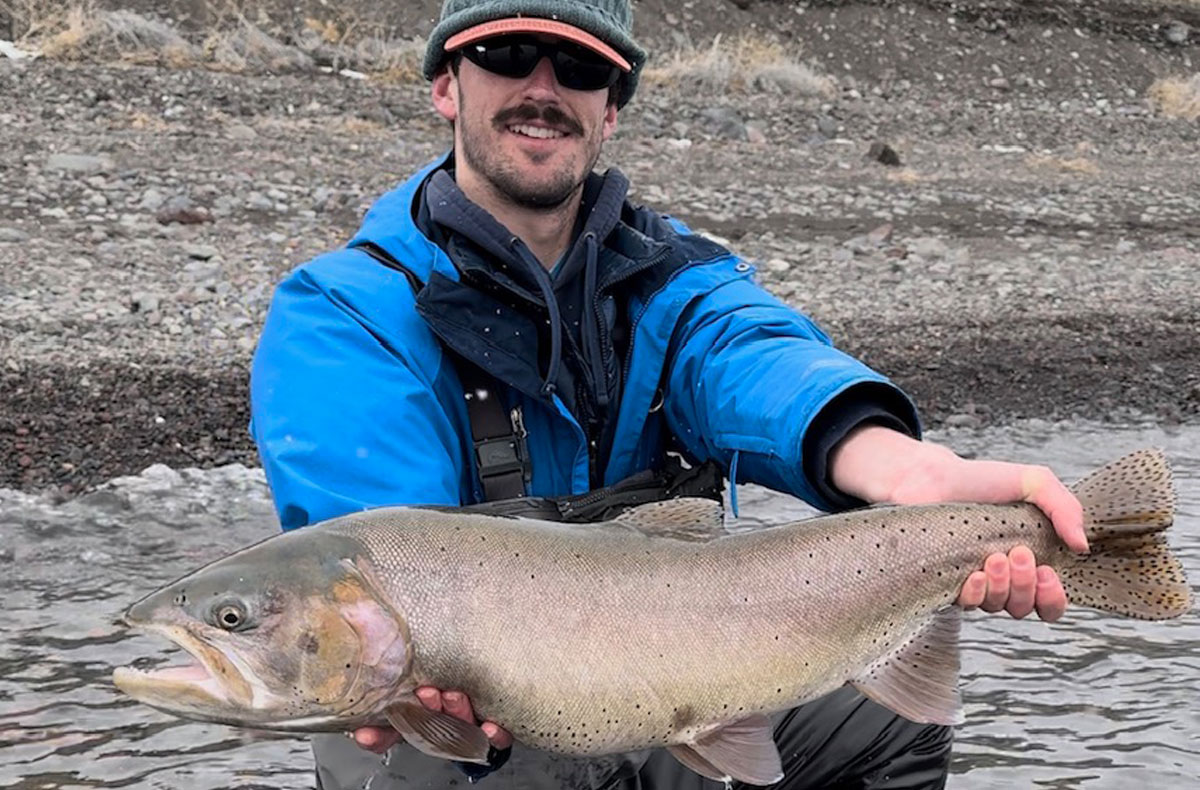
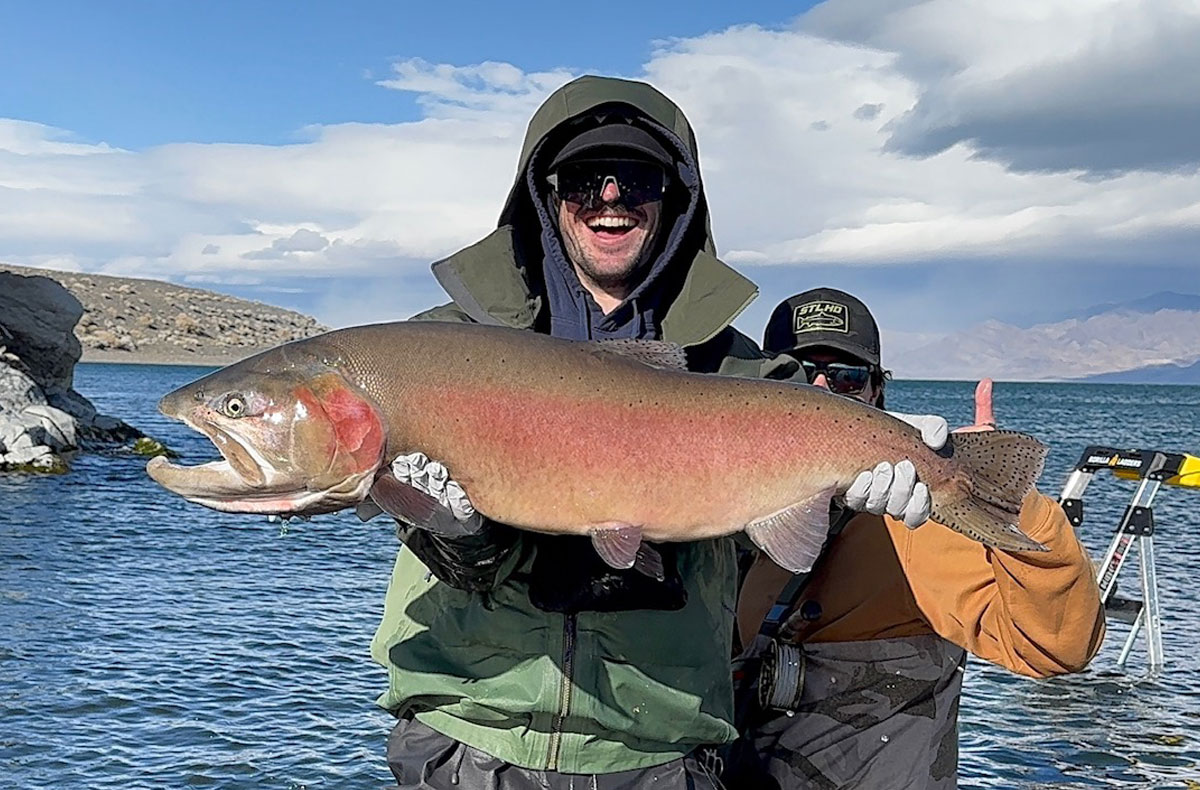
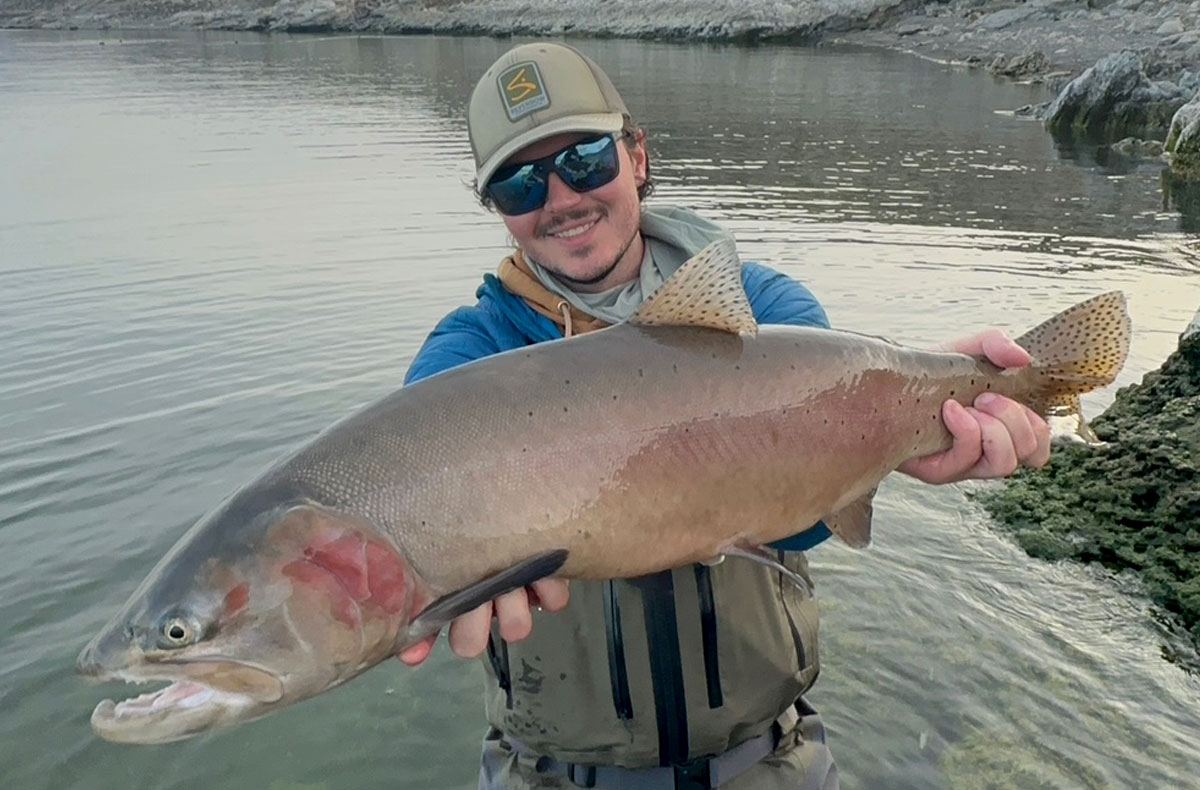
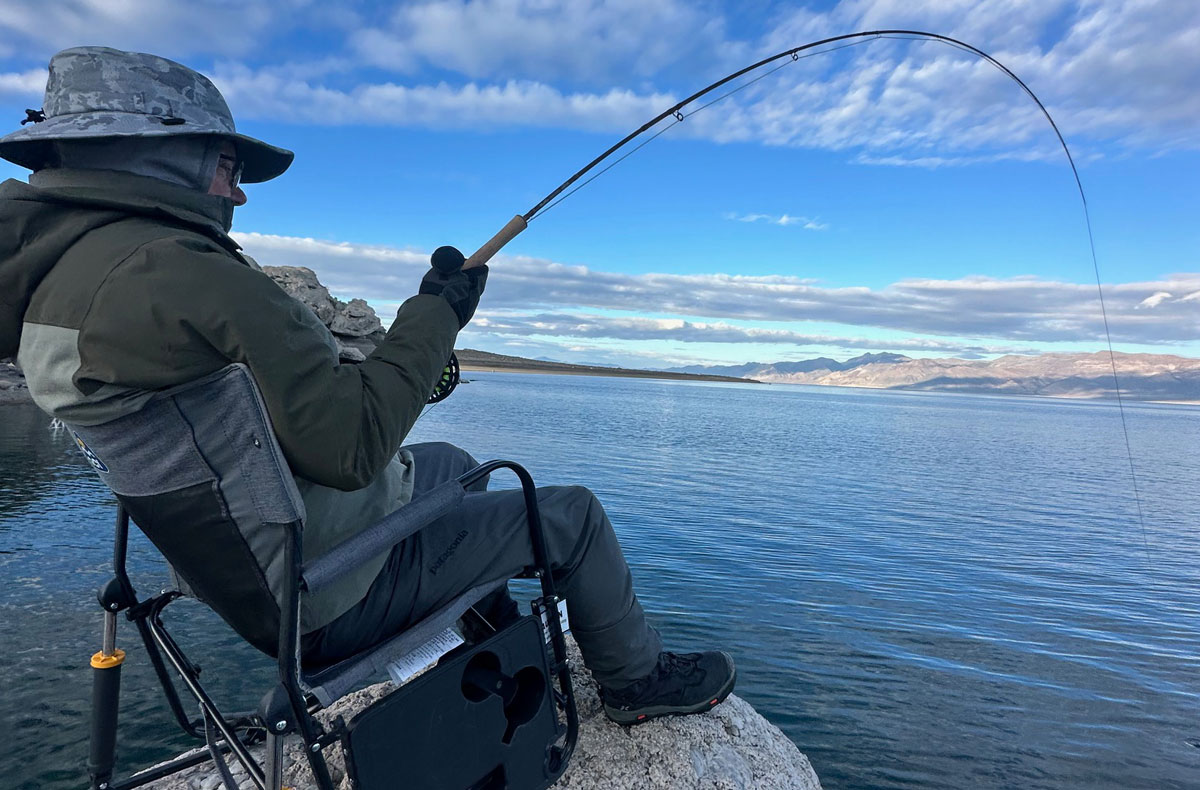
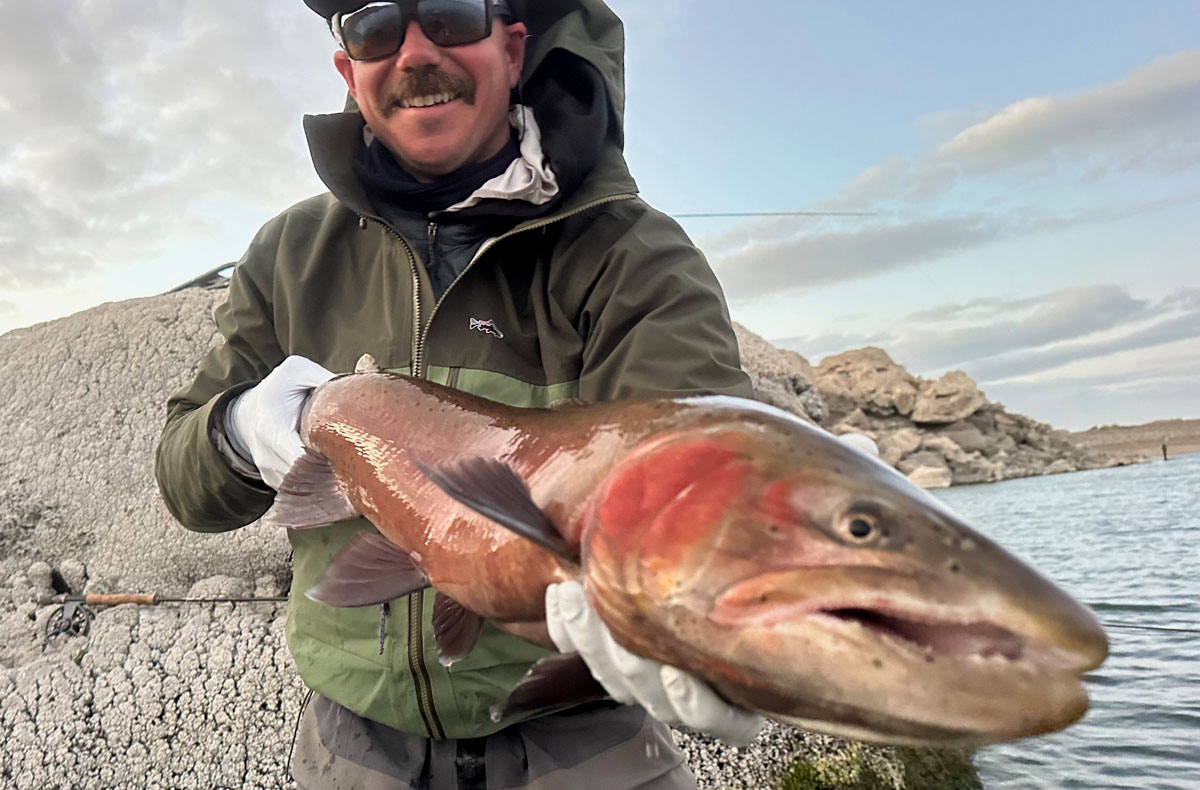
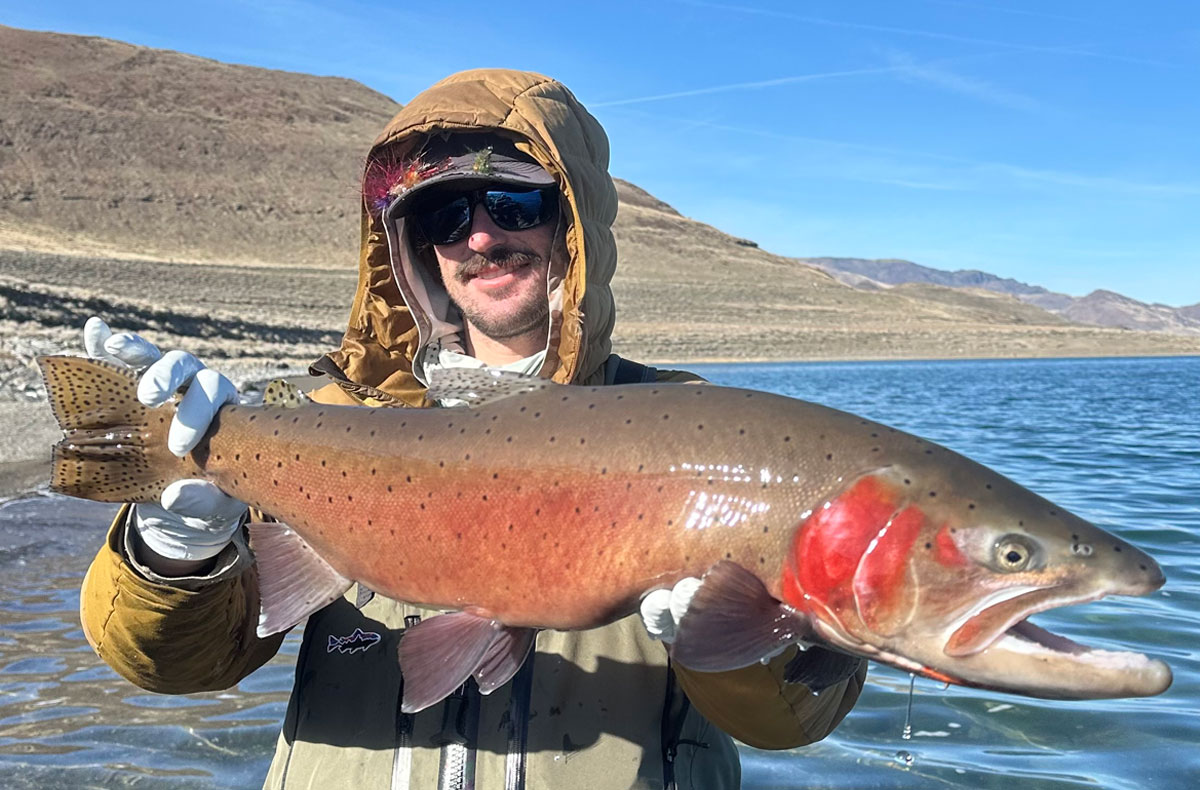
Every year, I take a trip over to the great salty pond, AKA Pyramid Lake, NV, to chase the world's largest cutthroat trout; where they measure fish by weight, not inches. This trip always seems to fit in this time of year as I taper off fishing our local steelhead rivers and look towards other angling opportunities. This year, we faced relatively tough weather conditions for fishing Pyramid (mostly sunny, warmer, and calm days), so we focused on capitalizing on the early morning and late evening bite for the majority of fish we encountered. Despite the tougher conditions, we were still able to find a handful of fish that surpassed the 10lb mark and plenty of fish in the 5-10lb range. Regardless of the fishing, this trip is always a great excuse to get outside and drink a couple beers with close friends in what most people view as the off-season.
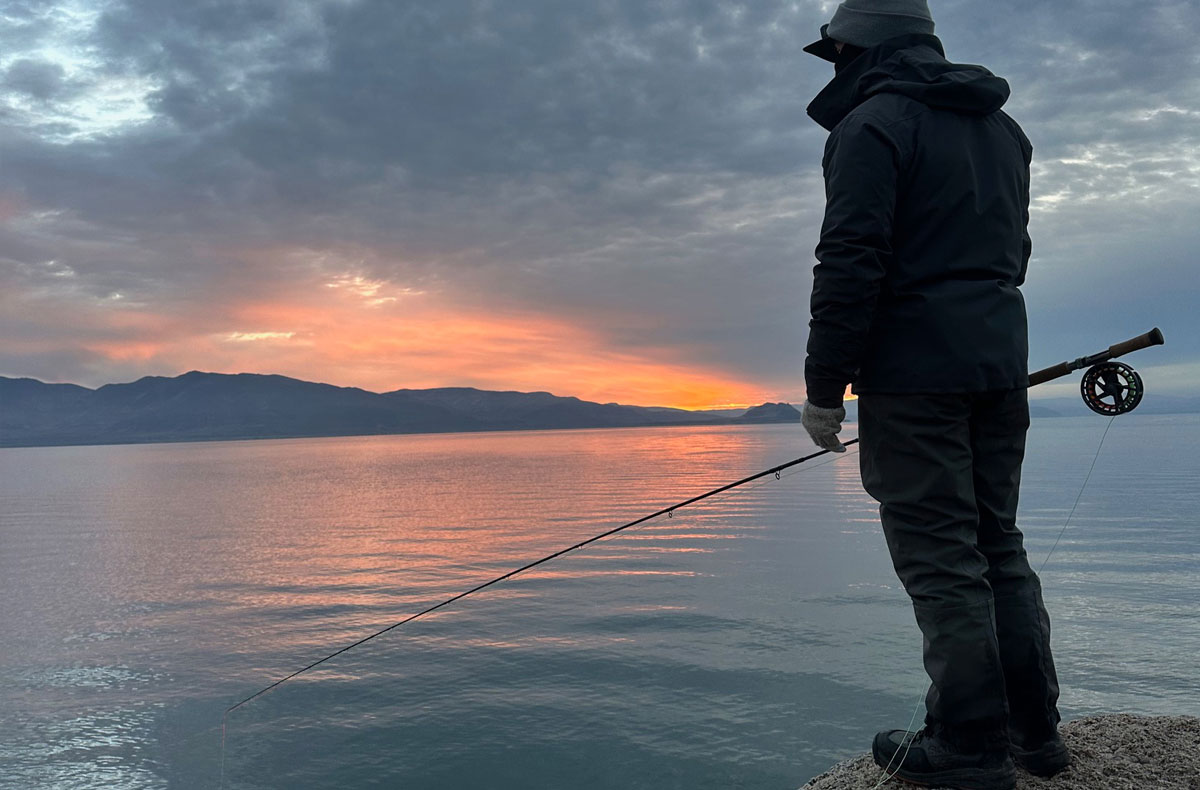
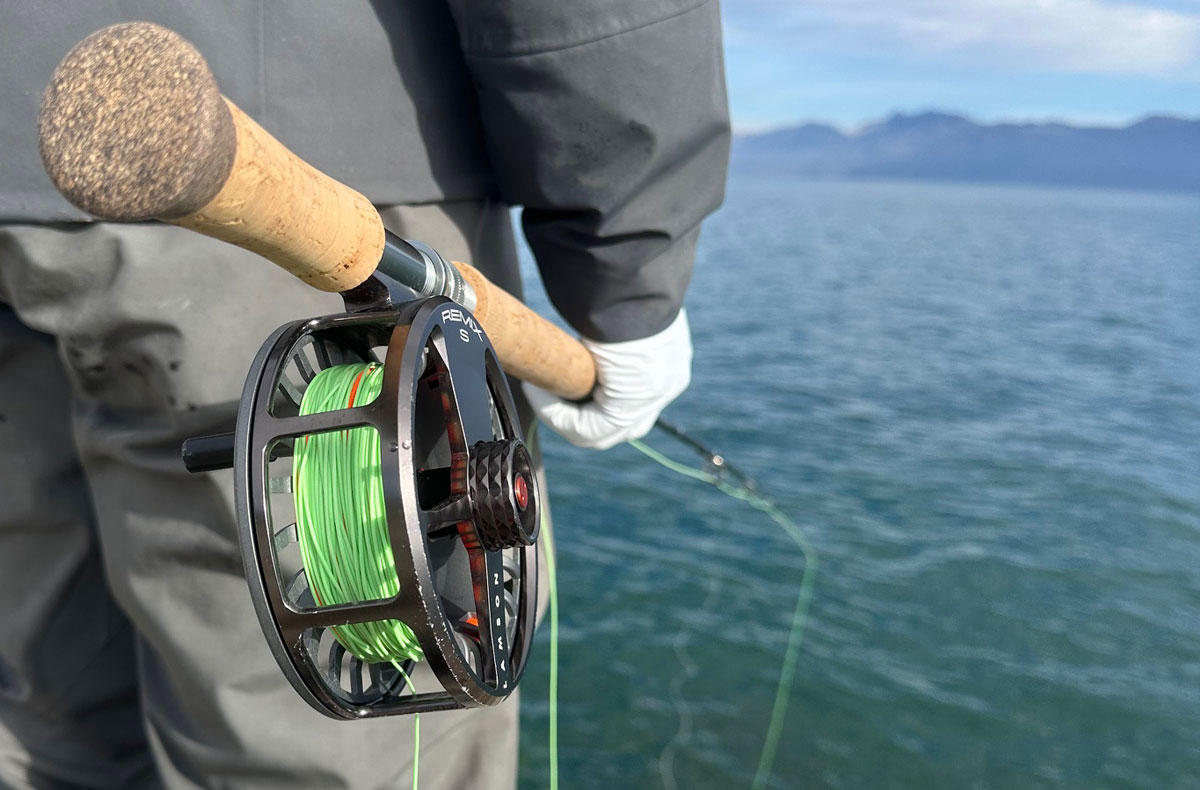
Outside of the giant fish, Pyramid lake is known for the unique style of fishing with two-handed switch rods and ladders. Our approach was relatively simple: start the morning exactly 1 hour before sunrise by stripping floating beetles and "boobie" flies on either a full sink or heavy/long sink tip line with a 9ft 8 weight. As soon as there was enough light to see a bobber, I traded in the stripping rod for my Echo SR 11ft 7 weight with an integrated skagit-style line (I prefer Rio's Switch Chucker with a 10ft floating VersiLeader) made for lobbing heavy/long bobber rigs. We found most of our luck under a bobber on chironomid patterns with a few fish taking a balanced leech or baitfish when we were lucky enough to have some chop on the water.
Our fishing spot for each day was very dependent on the weather forecast. If we were lucky enough to have some cloud cover mixed with some wind, we looked for relatively shallow and gradual drop-offs where fish would be found cruising. In these spots, we used the famous ladder technique, walking our ladders out as far as we could before the waves crashed over our waders to get our flies closer to the drop-off. Any time we could identify a mudline (sudden color change from current pushing mud/debris off the shoreline) or foam-line forming (appears as a long narrow lane of bubbles), we were sure to get our bobbers in the feeding lane. On the more sunny and calm days, we sought after much deeper water with more sudden drop-offs to pick off fish pressed to the bottom with the sun glaring down on them. During periods with little to no wind (no chop on the water to animate your flies), we found luck both twitching the bobber every few seconds as well as using a slow hand-twist retrieve in 10 second intervals.
Come stop by the shop to talk switch rods, lines, leader setups, or fly selection with me, we've got it all.
Sean Wonders